

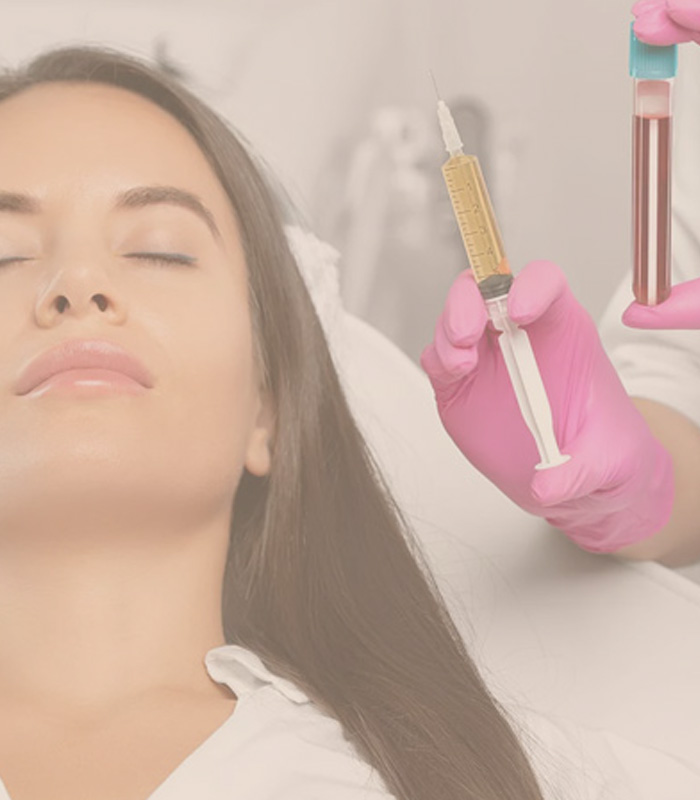
PRP (Platelet-Rich Plasma)
The PRP injections, also known as a Vampire Medical Facial, is a powerful rejuvenation treatment for aged skin. Once it is reinjected into the skin, it stimulates collagen and elastin production at the treatment site.
First signs of ageing
Are you someone who is concerned with any areas of your skin that are starting to lose elasticity and volume? As we get older, we tend to develop that delicate under-eye area which is usually the first sign of ageing.
PRP is a cosmetic injectable treatment that uses the client’s platelet-rich plasma. The plasma component contains stem cells and growth-rich platelets. When injected back into the skin, it accelerates the body’s natural production of collagen and elastin to provide overall skin rejuvenation.
PRP has several benefits
PRP provides the best results when treating eyes, neck, hands, fine lines and wrinkles, dull dry skin, hair loss, acne scarring and stretch marks. PRP has several benefits. The treatment can improve skin texture and tone, reduce fine lines and scarring, and stimulate collagen and skin cell production for a plumper, more radiant complexion.
It is great for anyone who is concerned by any areas of skin that are starting to lose elasticity and volume. It’s also a highly effective method for stimulating your body’s cells to produce new, healthy-looking skin. It is extremely effective for that delicate under-eye area where clients often notice signs of ageing first and where no laser can be used. It is also used to increase the structural integrity and health of the skin, particularly sun-damaged skin.
As your skin is healing, the growth factors are in a higher concentration that would normally be found inducing new and extra collagen, new cells and increased normal vascularity of the skin. This has a profound effect on the appearance of the skin, which is much tighter and brighter and immediately fewer wrinkles.
Platelet-Rich Plasma (PRP) Therapy: A Comprehensive Guide
PRP therapy is an innovative, non-surgical treatment that harnesses your body’s natural healing abilities to repair damaged tissue, reduce inflammation, and promote rejuvenation. As it uses your own blood, it is considered a very safe treatment with minimal risk of allergic reaction or rejection.
What is PRP Therapy?
Platelet-Rich Plasma (PRP) is a concentration of platelets derived from your own blood. Platelets are a type of blood cell best known for their role in clotting, but they are also packed with growth factors and bioactive proteins that are crucial for initiating and accelerating tissue repair and regeneration.
In simple terms, the process involves:
- Drawing Blood: A small sample of your blood is taken from your arm, similar to a standard blood test.
- Centrifugation: The blood sample is placed in a special machine called a centrifuge, which spins at high speed. This process separates the different components of your blood, concentrating the platelets and growth factors into a powerful solution—the Platelet-Rich Plasma.
- Injection: The prepared PRP is then carefully injected by a medical professional directly into the area of your body that requires treatment, such as an injured tendon, arthritic joint, or the skin of your face or scalp.
Common Uses of PRP Therapy:
- Orthopedics & Sports Medicine: Treating tendon injuries (like tennis elbow, Achilles tendinitis), ligament sprains, osteoarthritis (especially in the knee), and muscle injuries.
- Dermatology & Aesthetics (The “Vampire Facial”): Improving skin texture and tone, reducing the appearance of wrinkles, and treating acne scars.
- Hair Restoration: Stimulating hair growth for conditions like androgenetic alopecia (male and female pattern baldness).
- Dental Surgery: Aiding in bone grafting and healing after certain oral surgical procedures.
What to Expect During the Procedure
A typical PRP therapy session takes about 60-90 minutes from start to finish.
- Consultation: Before the procedure, you will have a thorough consultation with a healthcare provider to determine if you are a good candidate for PRP and to discuss your goals.
- Blood Draw: You will have a blood sample (usually about 30-60 mL, or 2-4 tablespoons) drawn from a vein in your arm.
- Processing Time: Your blood sample is processed in the centrifuge for approximately 15-20 minutes to create the PRP.
- Preparation of the Injection Site: The target area will be cleaned and may be numbed with a local anesthetic, as the injection can cause temporary discomfort.
- The Injection: Using ultrasound or other imaging guidance for precision, the provider will inject the PRP into the affected area. You may feel pressure, aching, or a brief burning sensation during the injection.
Most people can return to their daily activities immediately after the procedure, though you will be given specific aftercare instructions.
Are There Risks Involved?
Because PRP therapy uses your own biological material, the risks are significantly lower than those associated with surgery or many medications. However, as with any injection-based procedure, some potential risks and side effects exist:
- Injection Site Reactions: The most common side effects are temporary and include pain, soreness, bruising, redness, or swelling at the injection site.
- Infection: There is a very small risk of infection any time the skin is penetrated.
- Nerve or Tissue Damage: While rare, there is a slight risk of injury to nerves or blood vessels near the injection site. This is why imaging guidance is often used to ensure precise placement.
- No Guarantee of Efficacy: PRP therapy does not work for everyone. Success depends on the individual’s condition, overall health, and the body’s inherent healing response.
Contraindications: PRP may not be suitable for individuals with certain conditions, such as:
- Blood disorders or platelet dysfunction
- Active infection or cancer in the treatment area
- Certain chronic illnesses
- Low platelet count (thrombocytopenia)
It is crucial to discuss your full medical history with your provider to ensure PRP is a safe option for you.
Aftercare: Maximizing Your Results
Proper aftercare is essential for achieving the best possible outcome from your PRP treatment.
Immediately After the Procedure (First 24-48 Hours):
- Rest the Area: Avoid strenuous activity, heavy lifting, or vigorous exercise.
- Use Ice: Apply ice packs to the injection site for 15-20 minutes at a time to manage swelling and discomfort. Do not apply heat.
- Stay Hydrated: Drink plenty of water to help your body in the healing process.
- Avoid Anti-Inflammatory Medications: Do not take NSAIDs (like Ibuprofen, Naproxen, or Aspirin) unless approved by your doctor, as they can interfere with the natural inflammatory healing response that PRP initiates.
- Avoid Alcohol and Smoking: These can impair circulation and slow down the healing process.
The First Few Weeks:
- Gradual Return to Activity: Your provider will give you a timeline for gradually reintroducing physical activities. You may be referred to a physical therapist to guide your rehabilitation.
- Listen to Your Body: Some soreness is normal. Pain is a signal to slow down.
- For Cosmetic Procedures: Avoid direct sun exposure, saunas, and steam rooms for at least the first week. Use a gentle cleanser and a high-SPF sunscreen as directed by your dermatologist.
Follow-up and Results:
- It can take several weeks to months to experience the full benefits of PRP as your body undergoes its natural repair process.
- You may require a series of injections (typically 1-3 sessions spaced a few weeks apart) for optimal results, especially for hair loss or cosmetic concerns.
- Attend all scheduled follow-up appointments so your provider can monitor your progress.
Disclaimer: This information is for educational purposes only and does not constitute medical advice. It is essential to consult with a qualified healthcare professional to discuss your individual condition and determine the most appropriate treatment plan for you.